
Is an ADHD assessment worth it at 40? An honest Australian answer
An adult ADHD assessment in Australia costs about $1,387 and takes about 10 weeks. Learn what a diagnosis gives you, what it does not, and when to wait.
Short reads, real stories and news on neurodivergent life.
The Understanding Zoe blog shares short, plain-language articles for families raising neurodivergent children, neurodivergent adults, and the people who support them. You will find recent stories, practical tips and Australian neurodivergence news. For step-by-step guides, see our Guides. Understanding Zoe is a neurodivergent app made in Australia.
Latest update:
Our Guides go step by step, in plain language.
Try the app
It remembers for you and grows with you.
7 days free on iPhone and Android.
Cancel before day 8 and you won't be charged.

An adult ADHD assessment in Australia costs about $1,387 and takes about 10 weeks. Learn what a diagnosis gives you, what it does not, and when to wait.

This article explores ADHD through a transformational lens, featuring Madeleine Jaine Lobsey, founder of Wondiverse. Rather than viewing ADHD as a deficit, this episode reframes it as a regulation challenge and source of innovation. Key topics include: why ADHD is fundamentally about nervous system regulation, how creativity and play support self-regulation, the grief and empowerment of late diagnosis, why divergent thinking drives innovation, and how offering choice and control creates safety.

This article explores Kaya Lyons' concept of 'The Wilderness Within' and how understanding your child's nervous system transforms the way you respond to ADHD behaviours. Through polyvagal theory, you'll learn why 'wild' traits are signals, not flaws, and discover practical strategies like 30 seconds of presence, early cue recognition, and curiosity-based parenting to support both your child's and your own nervous system regulation.

ADHD mornings aren't about laziness, they're about executive dysfunction, transitions, and sensory overload. This article explores why mornings feel impossible for ADHD brains and shares practical, compassionate strategies from clinical psychologist Johanna Badenhorst. Learn how to reduce demands, prepare strategically, use regulating music, prioritise ruthlessly, and lead with self-compassion. Discover that good enough is good enough and you're doing better than you think.

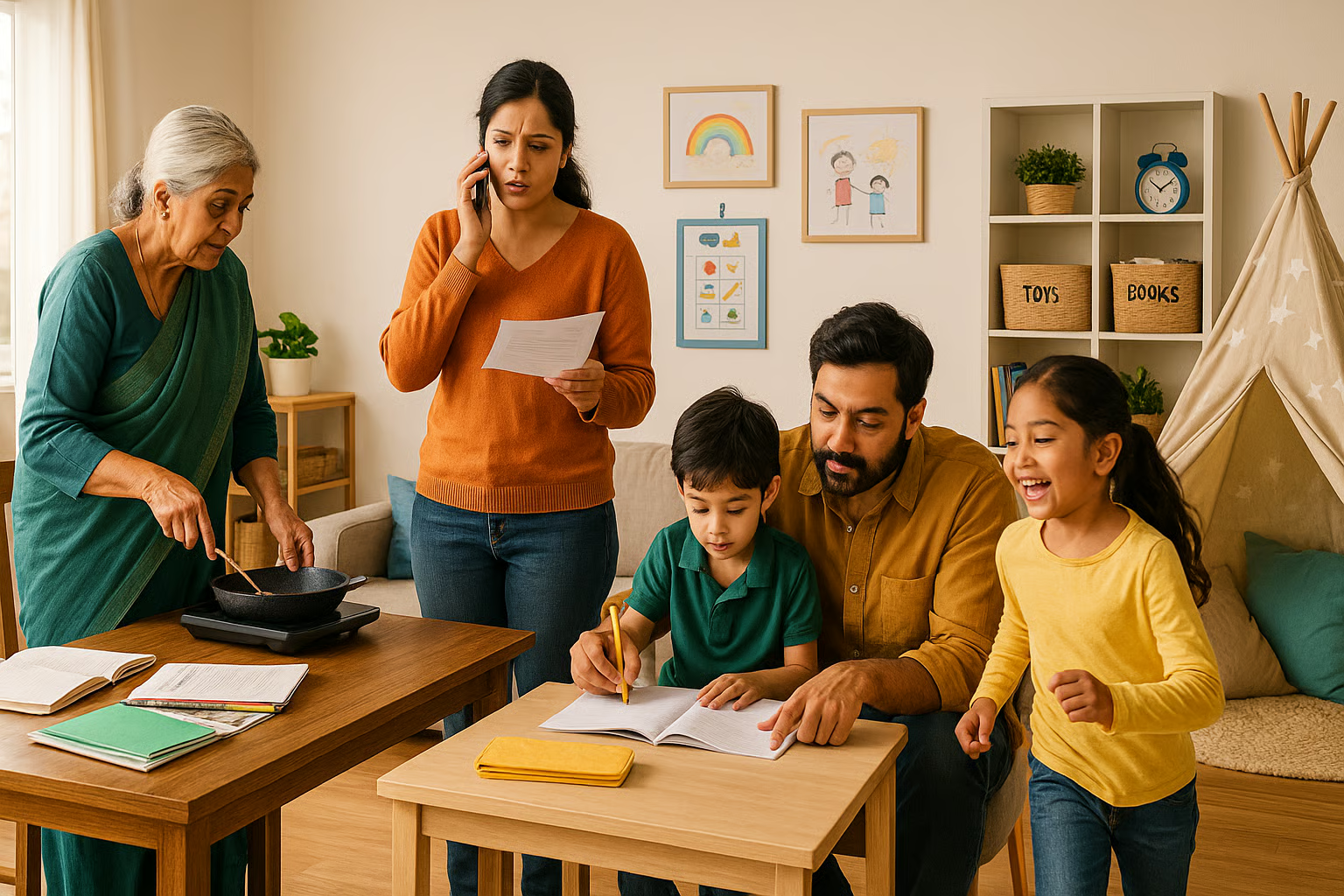
Discover how to turn a chaotic, multigenerational household into a calm, ADHD-friendly home. You do not have to sacrifice your family’s culture or routines. This guide covers practical organising, sensory-smart design, inclusive conversations and mindfulness. Support your ADHD child while honouring everyone’s needs. Small changes add up, one cosy nook and one mindful breath at a time.

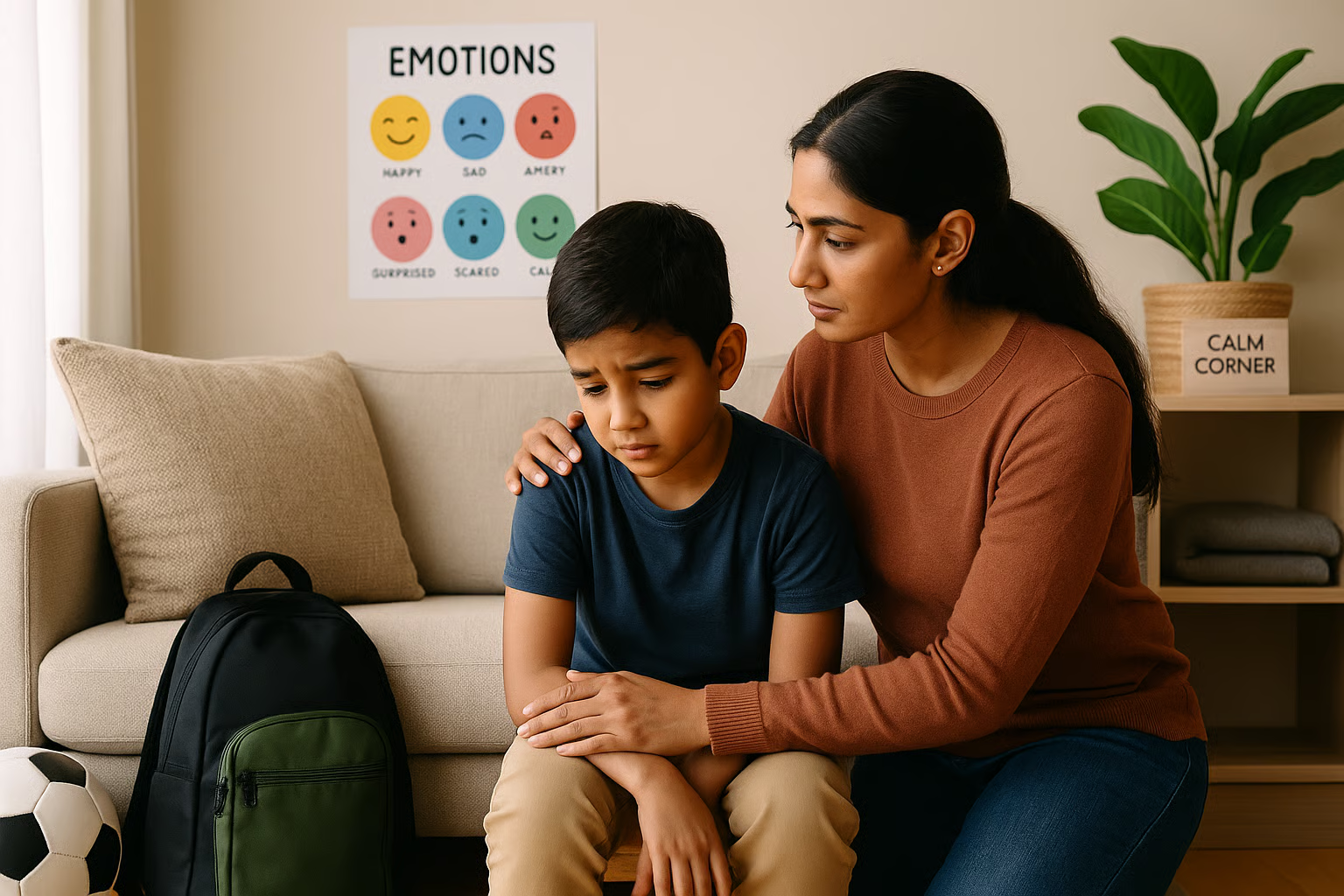
Explore the misunderstood world of rejection sensitivity in kids with ADHD through heartfelt stories and practical advice. This guide unpacks why everyday setbacks hit so hard, the unique challenges for culturally diverse families, and step-by-step neuroaffirming strategies to foster resilience and confidence. Whether you're navigating stigma or searching for support, discover how compassion and understanding can transform your family’s journey.

Creating a calm environment at home can help children with ADHD feel more regulated, focused, and confident. The article offers practical strategies like using soothing colours, minimising distractions, and setting up clear activity zones (e.g., study zone, calm-down corner). It also highlights the importance of visual schedules, sensory-friendly lighting and seating, open storage, and routines that support emotional regulation and smoother transitions. The focus is on building a supportive spac