Neurodiversity Celebration Week Special Episode: Neurodivergent allyship & affirming resources with Adelle Sushames
Hosted by
Laetitia Andrac
Host of The Neurodivergent Pulse, CEO and co-founder of Understanding Zoe, and a neurodivergent parent.
With
Clinical Psychologist, NeurodivergentAlly
Psychologist with 18 years of experience, the last decade of which has focused exclusively on Autism and ADHD assessments and therapeutic supports.
The Neurodivergent Pulse is Understanding Zoe's podcast for families raising neurodivergent children in Australia. Hosted by Laetitia Andrac, each episode is an honest conversation about autism, ADHD and everyday family life. In this episode, "Neurodiversity Celebration Week Special Episode: Neurodivergent allyship & affirming resources with Adelle Sushames", you'll hear practical, neuroaffirming ideas you can use today.
Listen to this episode
Loading the player...
Show notes
What does truly neuroaffirming support look like in practice?
In this insightful episode of Neurodivergent Pulse (and special episode for Neurodiversity Celebration Week), Laetitia sits down with psychologist and resource creator Adelle Sushames, founder of Neurodivergent Ally.
With nearly two decades of experience in psychology and the last decade focused exclusively on Autism and ADHD assessments and support, Adelle shares how frustration with outdated, deficit-based resources led her to create tools that genuinely reflect neurodivergent experiences.
Together, they explore the concept of spoons and energy, the importance of neuroaffirming language, and how tools like Adelle’s card decks help children, teens, adults, and families better understand their needs.
This episode is a powerful reminder that communication, understanding and allyship are at the heart of supporting neurodivergent individuals.
✨ Try Understanding Zoe free for 7 days – the neuroaffirming app turning every report, observation and meltdown into an actionable next step.
Key takeaways
- What neurodiversity-affirming practice really means beyond training or theory
- Why outdated resources and language can harm neurodivergent individuals
- How spoon theory helps explain energy limits and capacity
- Why autism is not a linear spectrum but a dynamic wheel of experiences
- The importance of recognising missed diagnoses, especially among girls, women and adults
- How tools like card decks can support communication, reflection and self-understanding
- Why allyship from families, professionals and communities matters in creating neuroinclusive spaces
💛 Love what you heard? Subscribe, share with your care village, and leave us a review so more families can find this support.
🔗 Try Understanding Zoe for free today
About the guest
Adelle Sushames is a psychologist with 18 years of experience, the last decade of which has focused exclusively on Autism and ADHD assessments and therapeutic supports.
Adelle is also the creator of a range of widely used neuroaffirming resources including:
ND Me
Spoon Thieves
Spoon Savers
Spoons @ School
These tools help neurodivergent individuals explore energy, needs and challenges in ways that support communication and understanding across home, school and therapy settings.
Her work is informed by both professional expertise and lived experience. Adelle was diagnosed AuDHD in her early 40s, deepening her commitment to creating resources that truly reflect neurodivergent lives.
She is also the author of the children’s book:
📘 Strong and Sensitive: A Tiger Tale about Autism and ADHD (for ages 5–12)
Through her platform Neurodivergent Ally, Adelle supports families, clinicians and educators in building more affirming environments for neurodivergent people.
💻 Website: https://www.neurodivergentally.com
📸 Instagram: @neurodivergent_ally
About the host
Laetitia Andrac (Autistic & ADHDer) is an award-winning entrepreneur, international speaker, and podcast host.
She is the bestselling author of Light It: How to Trust Your Intuition and Build a Thriving Business. With over 15 years of experience in consulting, strategy, and innovation, Laetitia has worked with industry leaders like Deloitte and Telstra.
Inspired by my journey as a neurodivergent parent, she co-founded Understanding Zoe, an AI-driven solution dedicated to supporting caregivers of neurodivergent children.
Her passion is creating a more neuroinclusive world, where everyone can thrive—whether in their homes, communities, or workplaces.
Frequently asked questions
What does neuroaffirming practice actually mean?
Neuroaffirming practice starts with truly believing that different brains are natural, not wrong. It takes ongoing reflection, because ableist beliefs from childhood run deep. Once you make that shift, you keep doing the work. Then affirming language and expectations start to feel simple.
Why is the autism spectrum described as a wheel?
The autism spectrum is not a straight line. Support needs and traits can shift from day to day or week to week. A wheel shows every area of functioning at once. It does not rank people along one line. It also recognises that a difference can still be disabling for some people.
Why are girls and women often missed in autism diagnosis?
Girls and women have traditionally been left out of autism research and screening. For a long time, professionals believed autism was far more common in boys. New research shows the gender split is actually close to equal. People are also missed when they do not have other, more obvious conditions. Their traits often get explained away as anxiety or a learning difference instead.
How should the card decks be used?
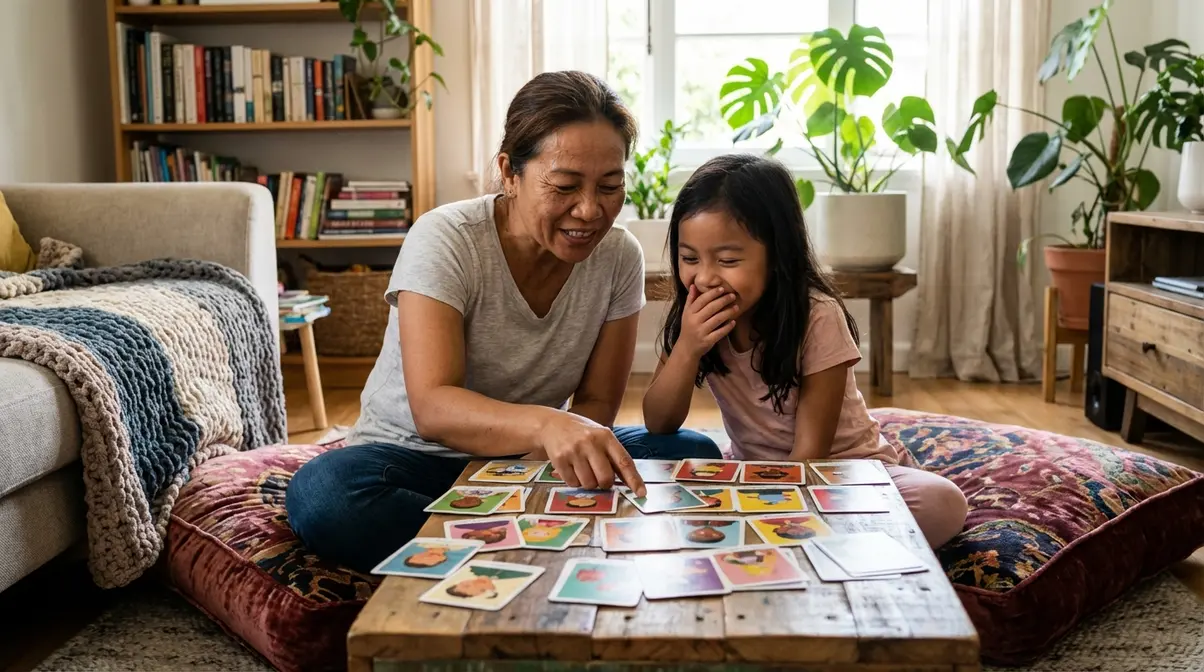
The cards work like a feedback loop between communication and understanding. A person looks through them alone or with someone else. They sort cards into groups, such as always true, sometimes true or never true. This works best when someone is calm and able to reflect. The cards are not designed for use during a meltdown or a shutdown.
What mindset helps families through a new diagnosis?
Getting a diagnosis can feel like a huge, emotional process for families. It can still feel emotional even when the result is fully expected. It helps to remember your child is still the same child they always were. A diagnosis simply gives you a tool to help you parent and advocate for them. Many older adults say a late diagnosis finally helped them understand who they are.
Chapters
- 0:00 Welcome and introducing Adelle Sushames
- 1:30 Why she created neuroaffirming card decks
- 3:05 What neuroaffirming practice really means
- 5:15 The autism spectrum as a dynamic wheel
- 10:16 Who gets missed in autism diagnosis
- 15:24 Living with combined autism and ADHD
- 20:20 How the card decks work in practice
- 24:25 Mindset shifts for a new diagnosis
- 32:34 Where to find Adelle's resources
Subscribe to The Neurodivergent Pulse.
Follow the show so a new episode finds you. It's free.