PDA Parenting in real life: What actually helps in the moment | Solo Episode
Hosted by
Laetitia Andrac
Host of The Neurodivergent Pulse, CEO and co-founder of Understanding Zoe, and a neurodivergent parent.
The Neurodivergent Pulse is Understanding Zoe's podcast for families raising neurodivergent children in Australia. Hosted by Laetitia Andrac, each episode is an honest conversation about autism, ADHD and everyday family life. In this episode, "PDA Parenting in real life: What actually helps in the moment | Solo Episode", you'll hear practical, neuroaffirming ideas you can use today.
Listen to this episode
Loading the player...
Show notes
What does PDA parenting really look like… in the messy, imperfect, everyday moments?
In this honest and deeply relatable solo episode of Neurodivergent Pulse, Laetitia moves beyond theory and into real-life lived experience … sharing what actually happens in her home raising a PDA child while being PDA herself.
From morning struggles to emotional overwhelm, this episode offers a grounded look at what support can look like when everything feels like too much — for both parent and child.
And importantly, it explores how having the right support in the moment can change everything.
✨ Try Understanding Zoe free for 7 days – the neuroaffirming app turning every report, observation and meltdown into an actionable next step.
Key takeaways
- Why no two mornings are ever the same in a PDA household
- How your own nervous system impacts everything
- What “genuine autonomy” really looks like (and why it’s hard)
- Why play is one of the most powerful tools
- The importance of dropping demands completely (sometimes)
- How to support yourself when you’re too overwhelmed to think
- Why parenting support needs to be available in the moment, not later
💛 Love what you heard? Subscribe, share with your care village, and leave us a review so more families can find this support.
🔗 Try Understanding Zoe for free today
💻 Website: www.understandingzoe.com/
📸 Instagram: @understanding.zoe
📲 Try PIP (AI coach) inside the app: https://app.understandingzoe.com/signup
About the host
Laetitia Andrac (Autistic & ADHDer) is an award-winning entrepreneur, international speaker, and podcast host.
She is the bestselling author of Light It: How to Trust Your Intuition and Build a Thriving Business. With over 15 years of experience in consulting, strategy, and innovation, Laetitia has worked with industry leaders like Deloitte and Telstra.
Inspired by my journey as a neurodivergent parent, she co-founded Understanding Zoe, an AI-driven solution dedicated to supporting caregivers of neurodivergent children.
Her passion is creating a more neuroinclusive world, where everyone can thrive—whether in their homes, communities, or workplaces.
Frequently asked questions
What does PDA parenting look like in real life?
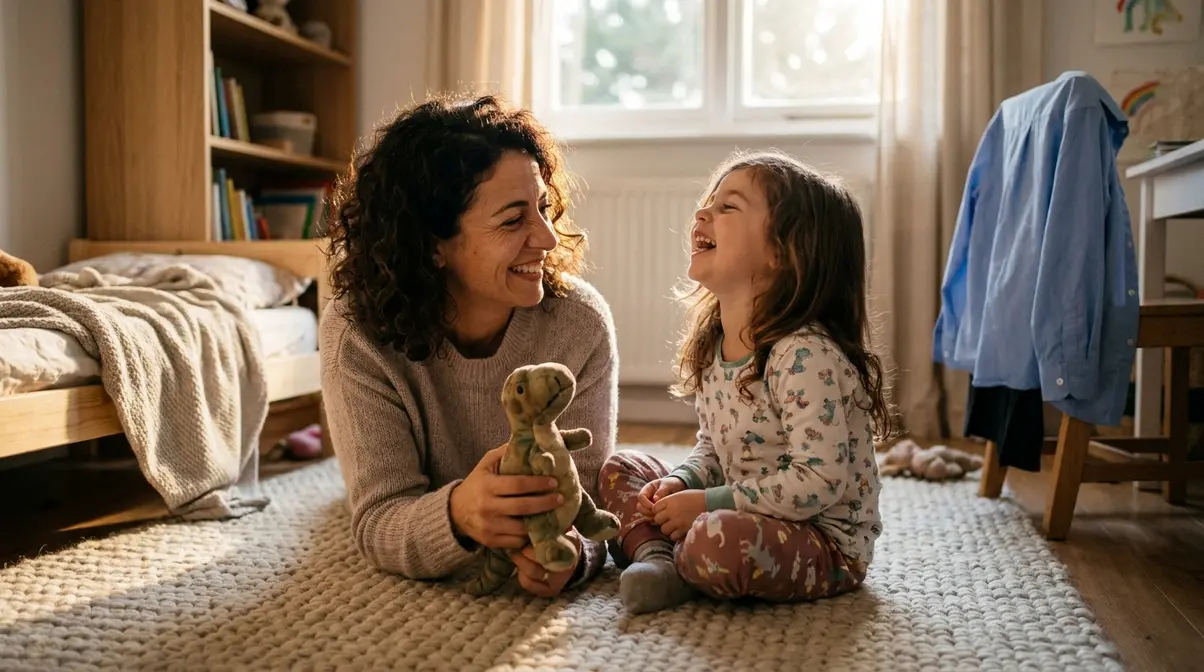
PDA parenting looks different every day. Some mornings a child wakes up regulated and gets ready easily. Other mornings getting dressed feels impossible, or something in an outfit feels wrong. The parent's own nervous system can become activated too. It helps to remember it is not personal.
How can play help with PDA demand avoidance?
Play can turn a demand into a game instead of a request. Turning getting dressed into a race can make it an adventure and make it fun. Humour and shared references help depersonalise the demand. It feels less like pressure and more like a game.
What does genuine autonomy mean for a PDA child?
Genuine autonomy is not about choosing between two options an adult offers. It can mean staying in pyjamas or going barefoot if socks and shoes feel impossible. It can also mean cancelling an outing altogether. Staying home can help everyone's nervous system.
How can parents get support during a PDA meltdown?
In the moment support matters more than a plan you cannot remember when overwhelmed. The host uses Pip, an AI coach, right after a meltdown. One example prompt asks how to reconnect without creating another demand. A therapist is not always available during an early morning or bedtime meltdown.
How does having lots of demands feel for a child?
In the podcast's Pulse with Zoe segment, lots of demands feel very annoying to her. This is especially true when she wants to do something else, like read a book. Reading helps, and so does seeing a therapy dog or being around animals. These things help her reopen her window of tolerance.
Chapters
- 0:00 Real, messy PDA parenting
- 1:38 Real PDA mornings and using Pip
- 6:34 Actual prompts to try with Pip
- 11:23 A Pulse with Zoe
Subscribe to The Neurodivergent Pulse.
Follow the show so a new episode finds you. It's free.