Supporting communication through connection with Alana Cameron
Hosted by
Laetitia Andrac
Host of The Neurodivergent Pulse, CEO and co-founder of Understanding Zoe, and a neurodivergent parent.
With
Speech Pathologist, NeuroNurture
Alana is a speech pathologist, neurodiversity advocate and founder of NeuroNurture — a practice she created after repeatedly seeing professionals who understood neurodivergence through textbooks but not through lived experience.
The Neurodivergent Pulse is Understanding Zoe's podcast for families raising neurodivergent children in Australia. Hosted by Laetitia Andrac, each episode is an honest conversation about autism, ADHD and everyday family life. In this episode, "Supporting communication through connection with Alana Cameron", you'll hear practical, neuroaffirming ideas you can use today.
Listen to this episode
Loading the player...
Show notes
What if communication isn't about using the right words?
In this insightful episode, Laetitia is joined by Alana, speech pathologist, neurodiversity advocate and founder of NeuroNurture. Together, they challenge common assumptions about communication and explore what neuroaffirming support really looks like when children are overwhelmed, dysregulated or unable to access spoken language.
Drawing on both professional expertise and lived experience as a neurodivergent person, Alana shares why every behaviour is communication, how nervous systems speak before words do, and why connection is often more powerful than correction.
From classrooms to family homes, this conversation offers practical insights for parents, educators and therapists who want to better understand and support neurodivergent children.
✨ Try Understanding Zoe free for 7 days – the neuroaffirming app turning every report, observation and meltdown into an actionable next step.
Key takeaways
- Why every behaviour is a form of communication
- What people miss when they focus only on speech and words
- Why "use your words" often doesn't work during dysregulation
- How co-regulation supports communication more effectively than questioning
- The importance of validation before problem-solving
- How to recognise your own dysregulation cues as a parent or educator
- Why nervous systems influence entire classrooms
- The role of connection in creating safety, learning and belonging
- Practical ways teachers can support neurodivergent students even in busy classrooms
💛 Love what you heard? Subscribe, share with your care village, and leave us a review so more families can find this support.
🔗 Try Understanding Zoe for free today
About the guest
Alana is a speech pathologist, neurodiversity advocate and founder of NeuroNurture — a practice she created after repeatedly seeing professionals who understood neurodivergence through textbooks but not through lived experience.
As a neurodivergent person herself, Alana brings a neuroaffirming, safety-first lens to everything she does. Through her work with children, families, educators and fellow clinicians, she advocates for approaches grounded in connection, regulation and genuine understanding.
Her mission is to transform how we support neurodivergent children — in clinics, classrooms and everywhere in between.
💻 Website: https://www.neuronurture.co
📸 Instagram: @neuronurture.co
About the host
Laetitia Andrac (Autistic & ADHDer) is an award-winning entrepreneur, international speaker, and podcast host.
She is the bestselling author of Light It: How to Trust Your Intuition and Build a Thriving Business. With over 15 years of experience in consulting, strategy, and innovation, Laetitia has worked with industry leaders like Deloitte and Telstra.
Inspired by my journey as a neurodivergent parent, she co-founded Understanding Zoe, an AI-driven solution dedicated to supporting caregivers of neurodivergent children.
Her passion is creating a more neuroinclusive world, where everyone can thrive, whether in their homes, communities, or workplaces.
Frequently asked questions
Why is 'use your words' unhelpful during a meltdown?
Every behaviour is a form of communication. Nervous systems speak before words do, so words are often not accessible during dysregulation. Alana Cameron suggests using co-regulation instead of questions. This means staying calm near the child and modelling what they can do. This works better than asking them to explain themselves.
How can teachers support neurodivergent students in busy classrooms?
Alana Cameron says teachers should be human first, before their job. Connection is what helps regulate everyone in the room. Building rapport creates a sense of safety for students. When a student shuts down, do not push them to keep working. Just stay present nearby so they know you are there.
What should you do when a child is shutting down?
Do not push a child who is shutting down. Do not ask more questions or make them keep going. Their frontal lobe, the logical thinking part, is offline. There is no one home to reason with right then. Stay present nearby in a safe space instead. You could say, I am here when you are ready.
Why does validating feelings matter so much?
Alana Cameron says a feeling is always valid, whatever it is. You cannot fake being angry or crying hysterically. A brain does not settle until it feels heard. People act out because they are not feeling validated. They are trying to communicate in the only way their body knows how.
How can parents notice their own dysregulation cues?
Alana Cameron says you first need to know your own dysregulation cues. Notice what you feel when something triggers you. Your thoughts might race, or your heart rate might rise fast. You might want to snap or yell. Recognising these cues helps you come back to yourself. This is a hard skill that no one teaches us.
Chapters
- 0:00 Introduction and welcome to country
- 1:32 Alana's path to founding NeuroNurture
- 3:04 Every behaviour is communication
- 5:19 Why use your words doesn't work
- 8:03 Recognising your own dysregulation cues
- 9:55 Why nervous systems affect the classroom
- 12:21 Being human first to connect
- 14:06 Responding to a child who shuts down
- 18:49 A story of genuine connection
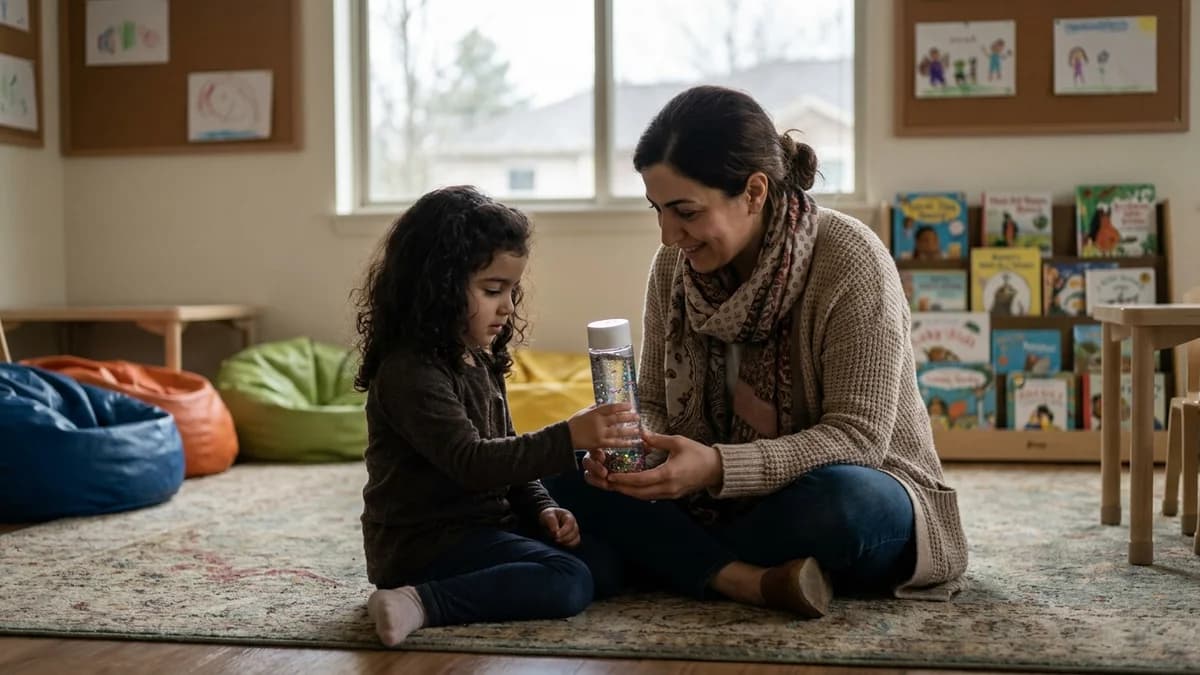
Subscribe to The Neurodivergent Pulse.
Follow the show so a new episode finds you. It's free.

More episodes
View all
Every voice matters: AAC, authentic communication and choosing your own language with Kayla Ireland
14 min
Communication breakdown: How visual support ease executive overload with Jessica Shahbazi and Jennifer Winstone
34 min