Unschooling Neurodivergent Kids: Trusting curiosity over curriculum with Melissa Crockett-Joyoue
Hosted by
Laetitia Andrac
Host of The Neurodivergent Pulse, CEO and co-founder of Understanding Zoe, and a neurodivergent parent.
With
Māori, AuDHD, and the mama of two unschooled neurodivergent children., Weave MD
Founder of Weave ND, an online community supporting neurodivergent unschooling families around the world.
The Neurodivergent Pulse is Understanding Zoe's podcast for families raising neurodivergent children in Australia. Hosted by Laetitia Andrac, each episode is an honest conversation about autism, ADHD and everyday family life. In this episode, "Unschooling Neurodivergent Kids: Trusting curiosity over curriculum with Melissa Crockett-Joyoue", you'll hear practical, neuroaffirming ideas you can use today.
Listen to this episode
Loading the player...
Show notes
What if learning didn’t have to follow a curriculum?
In this deeply honest and thought-provoking conversation, Laetitia is joined by Melissa, founder of Weave ND, an online community supporting neurodivergent unschooling families around the world.
Melissa shares the personal story that led her family to unschooling — a journey that began with school refusal, trauma, and a deep realisation that traditional schooling wasn’t supporting her neurodivergent child’s wellbeing.
Together, they explore what unschooling actually means, how learning can emerge through everyday life and special interests, and why regulation and connection are the true foundations of learning.
This episode offers a powerful invitation to rethink education not as something delivered through rigid systems, but as something woven into life, curiosity and relationships.
✨ Try Understanding Zoe free for 7 days – the neuroaffirming app turning every report, observation and meltdown into an actionable next step.
Key takeaways
- What unschooling really means (and why it’s not “doing nothing”)
- Why regulation and nervous system safety are essential for learning
- The hidden emotional toll of forcing neurodivergent kids into unsuitable environments
- How special interests can become powerful gateways to learning
- Why unschooling often requires parents to do their own healing and unlearning
- The importance of community support for neurodivergent parents navigating alternative education
💛 Love what you heard? Subscribe, share with your care village, and leave us a review so more families can find this support.
🔗 Try Understanding Zoe for free today
About the guest
Melissa lives in Aotearoa (New Zealand), is Māori, AuDHD, and the mama of two unschooled neurodivergent children.
Her own journey into unschooling began through supporting her children’s needs and discovering that traditional schooling wasn’t providing the safety, flexibility and regulation they required to thrive.
Through that experience, Melissa developed a deep passion for helping other families on similar paths.
She is the founder of Weave ND, an international online membership community supporting neurodivergent unschooling families. Her work focuses particularly on supporting neurodivergent parents and Indigenous families navigating alternative education pathways.
Melissa’s work centres on connection, community, and empowering families to trust their children’s natural curiosity and capacity to learn.
💻 Weave ND Community: https://weave-community.mn.co/
📸 Instagram: https://www.instagram.com/weave_nd | https://www.instagram.com/mama.weaves
🌍 The Unschooling Summit: https://www.theunschoolingsummit.org/a/2148243842/FdCazbjk
📸 Summit Instagram: https://www.instagram.com/theunschoolingsummit
📘 Facebook: https://www.facebook.com/share/1CV2ETKab7/?mibextid=wwXIfr
About the host
Laetitia Andrac (Autistic & ADHDer) is an award-winning entrepreneur, international speaker, and podcast host.
She is the bestselling author of Light It: How to Trust Your Intuition and Build a Thriving Business. With over 15 years of experience in consulting, strategy, and innovation, Laetitia has worked with industry leaders like Deloitte and Telstra.
Inspired by my journey as a neurodivergent parent, she co-founded Understanding Zoe, an AI-driven solution dedicated to supporting caregivers of neurodivergent children.
Her passion is creating a more neuroinclusive world, where everyone can thrive—whether in their homes, communities, or workplaces.
Frequently asked questions
What is unschooling for neurodivergent kids?
Unschooling is a broad way of learning without a set curriculum. The child's own interests direct what they learn. Parents support this by observing, resourcing and creating opportunities. A child exploring the kitchen might learn language, maths and different cultures all at once. It works well for neurodivergent kids because they can follow their hyperfocus.
How do special interests help neurodivergent children learn?
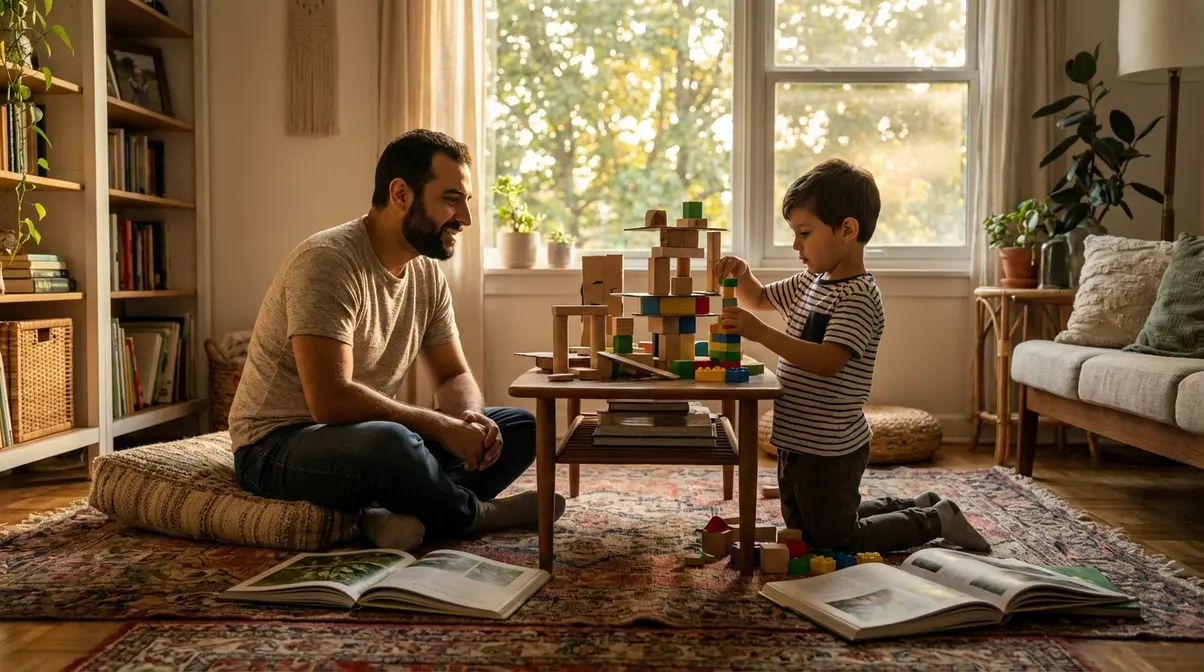
A child's special interest can become a doorway into many subjects. Melissa's son loves LEGO, which has taught him maths and geography. He also does video calls with adults in other countries about his interest. A classroom would split these subjects apart. Following the interest keeps the learning connected and whole.
Why does nervous system regulation matter for learning?
A child needs to feel safe before they can learn well. Regulation and mental health form the base of a child's ability to learn. If a child is dysregulated, learning becomes very hard. A calm home can be set up to suit a child's sensory needs. This support helps a child stay regulated enough to learn.
How can parents build capacity to unschool their child?
Unschooling takes real effort and can feel hard at times. Parents often need to work on their own nervous system regulation first. Learning your own sensory triggers and accommodations helps build capacity. Joining a community of other unschooling parents also helps a lot. No one else will do this work, so parents learn to do it for themselves.
Should a family try home education before school?
Melissa suggests trying home education first, before school. If home education does not work, your child is no further behind than their classmates. If school comes first and it goes badly, your child may need time to recover. That recovery can take a lot of mental work. Trying home education first can help avoid unnecessary school trauma.
Chapters
- 0:00 Welcome and acknowledgement of country
- 1:32 Melissa's family school story
- 8:34 What unschooling actually means
- 10:07 Special interests as learning gateways
- 15:53 Overcoming fears of falling behind
- 22:29 Building capacity as a parent
- 24:02 Nervous system regulation and learning
- 31:06 Why try home education first
Subscribe to The Neurodivergent Pulse.
Follow the show so a new episode finds you. It's free.


More episodes
View all
Play is learning: How curiosity helps neurodivergent kids thrive with Angie Casella & Kaycee Larney
35 min
Neuroaffirming Classrooms: How we move from compliance to connection with Millie Carr
25 min